
The global maritime industry depends heavily on structured funding. Whether you are acquiring a tanker, bulk carrier, offshore vessel, or coastal trading ship, we help owners manage capital efficiently while expanding fleets.
This guide explains how maritime funding works, how to get ship finance, the role of lenders, and how to identify reliable partners among the top ship finance companies worldwide.

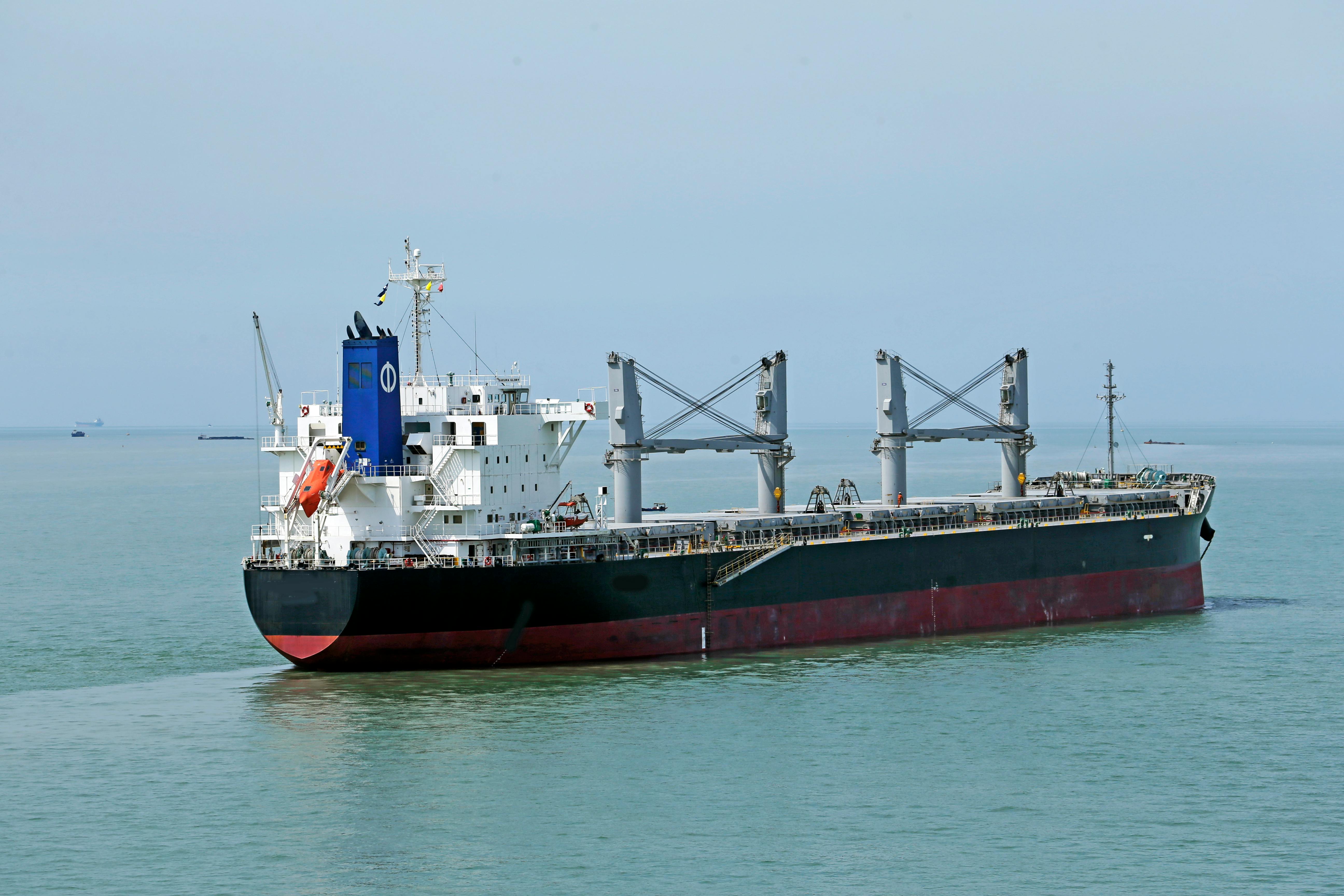
A professional ship finance company provides funding for the acquisition, construction, refinancing, or upgrading of vessels. These institutions may include maritime banks, leasing houses, private equity funds, or specialized lenders that understand shipping risk cycles, vessel valuations, and charter revenue structures.
Every ship finance company evaluates several factors before approving funding, including vessel age, ship type, charter contracts, technical condition, ownership structure, and the financial strength of the borrower. Selecting the right ship finance company ensures competitive interest rates, flexible repayment structures, and long-term financial sustainability for the shipping enterprise.
Shipping investors frequently search online for where to get ship finance, especially when entering the industry for the first time.
Reliable maritime advisors and brokers can guide clients on where to get ship finance through banks, leasing firms, and export credit agencies that specialize in shipping transactions.
Understanding how to get ship finance requires preparation, financial planning, and professional advisory support. A professional ship finance company typically follows a structured approval process:
Project Evaluation: Vessel type, market demand, and expected earnings are reviewed.
Financial Assessment: Owners submit audited financial statements and funding proposals.
Asset Valuation: Independent marine surveyors determine vessel value.
Loan Structuring: Tenor, repayment schedule, and collateral arrangements are defined.
Approval & Disbursement: Once documentation is complete, funds are released.
Many entrepreneurs ask where to get ship finance when expanding fleets; the answer often lies in specialized maritime lenders. Advisors highlight the easiest way to get ship finance is by preparing accurate documentation and securing long-term charter contracts.
Working with an experienced ship finance company improves approval chances. Financial consultants often explain the easiest way to get ship finance is to combine equity contribution with structured debt financing, ensuring balanced leverage.
When reviewing the top ship finance companies, owners should compare interest margins, financing ratios, geographic coverage, and experience in specific vessel segments. A top ship finance company typically offers:
Investors researching where to get ship finance often explore international maritime banks in Europe, Asia, and the Middle East, where shipping portfolios remain strong. Another ship finance company may specialize in leasing models, allowing shipowners to operate vessels without large upfront capital investments.
Among the top ship finance companies, flexibility and market knowledge are critical factors. The best ship finance company understands freight rate volatility, charter risk, and regulatory changes affecting vessel profitability.
Consultants often emphasize the easiest way to get ship finance involves choosing lenders with strong maritime portfolios rather than general commercial lenders.
A flexible ship finance company can provide multiple funding structures tailored to different ownership strategies:
Traditional ship mortgage loans allow owners to purchase vessels while using the ship as collateral. These loans usually cover 50–70% of vessel value.
The financier retains ownership while the operator pays installments. A ship finance company may recommend this for capital preservation.
Agencies support shipbuilding contracts by providing government-backed guarantees, enabling lower interest rates and longer tenors.
Mezzanine or hybrid structures combine debt and equity elements, providing flexible funding for aggressive fleet expansion.
Industry advisors frequently explain where to get ship finance by recommending a mix of bank loans, leasing, and equity contributions.
Experts also describe the easiest way to get ship finance as selecting financing aligned with expected charter income rather than purely asset value.
A global ship finance company reviews several criteria before approving funding. In 2026, lenders have moved beyond simple collateral, focusing heavily on decarbonization trajectories and technical transparency.
A trusted ship finance company also monitors environmental regulations, fuel efficiency requirements, and emissions compliance, as these factors influence long-term asset value. Owners searching where to get ship finance should ensure vessels meet international safety and environmental standards to improve eligibility.
Financial advisors emphasize that the easiest way to get ship finance includes preparing professional feasibility studies, demonstrating projected earnings, and presenting clear operational strategies. Maintaining strong relationships with maritime lenders further increases approval speed.
Ready to secure funding?
Consult an Advisor →Partnering with a specialized maritime lender offers distinct advantages that general commercial banks cannot match. In the current 2026 landscape, these providers are essential for navigating Basel IV constraints and the shift toward direct lending.
Competitive Rates: Access to maritime-focused lending margins and sustainability-linked pricing.
Cycle Intelligence: Deep understanding of shipping risk cycles and asset depreciation curves.
Revenue-Linked Repayment: Flexible structures like Revolving Credit Facilities (RCFs) tied to freight earnings.
A strong ship finance company also assists in refinancing older vessels, enabling owners to release equity for fleet expansion. Long-term lender relationships significantly improve funding opportunities over time.
Approach lenders during acquisition planning to align with vessel earning cycles and expected charter income.
Maintain audited financial records and professional feasibility studies demonstrating projected earnings.
Prioritize vessels with strong charter demand and modern technical packages to improve financing eligibility.
Industry professionals consistently explain the easiest way to get ship finance is through realistic revenue projections and selecting funding aligned with maritime-specific portfolios.
The maritime financing sector is evolving rapidly. A modern ship finance company now evaluates environmental performance metrics as strictly as credit scores. In 2026, compliance with CII (Carbon Intensity Indicator) ratings and the EU ETS 70% phase-in has become the primary driver for loan approvals.
Green financing programs allow shipowners to access preferential interest rates when investing in eco-friendly vessels. These developments are reshaping the strategies used by the top ship finance companies, moving the industry toward a "Lifecycle Optimization" model.
Interest margins are now directly tied to your vessel's emissions performance and Poseidon Principles alignment.
Real-time data and Digital Twins are replacing static appraisals, allowing for more dynamic LTV (Loan-to-Value) monitoring.
Specialized facilities for dual-fuel conversions and carbon capture installations to future-proof older tonnage.